What is Trauma Counseling?
What Is Trauma?
The word trauma is one we are hearing more often as our understanding of human healing continues to expand. But what exactly is trauma?
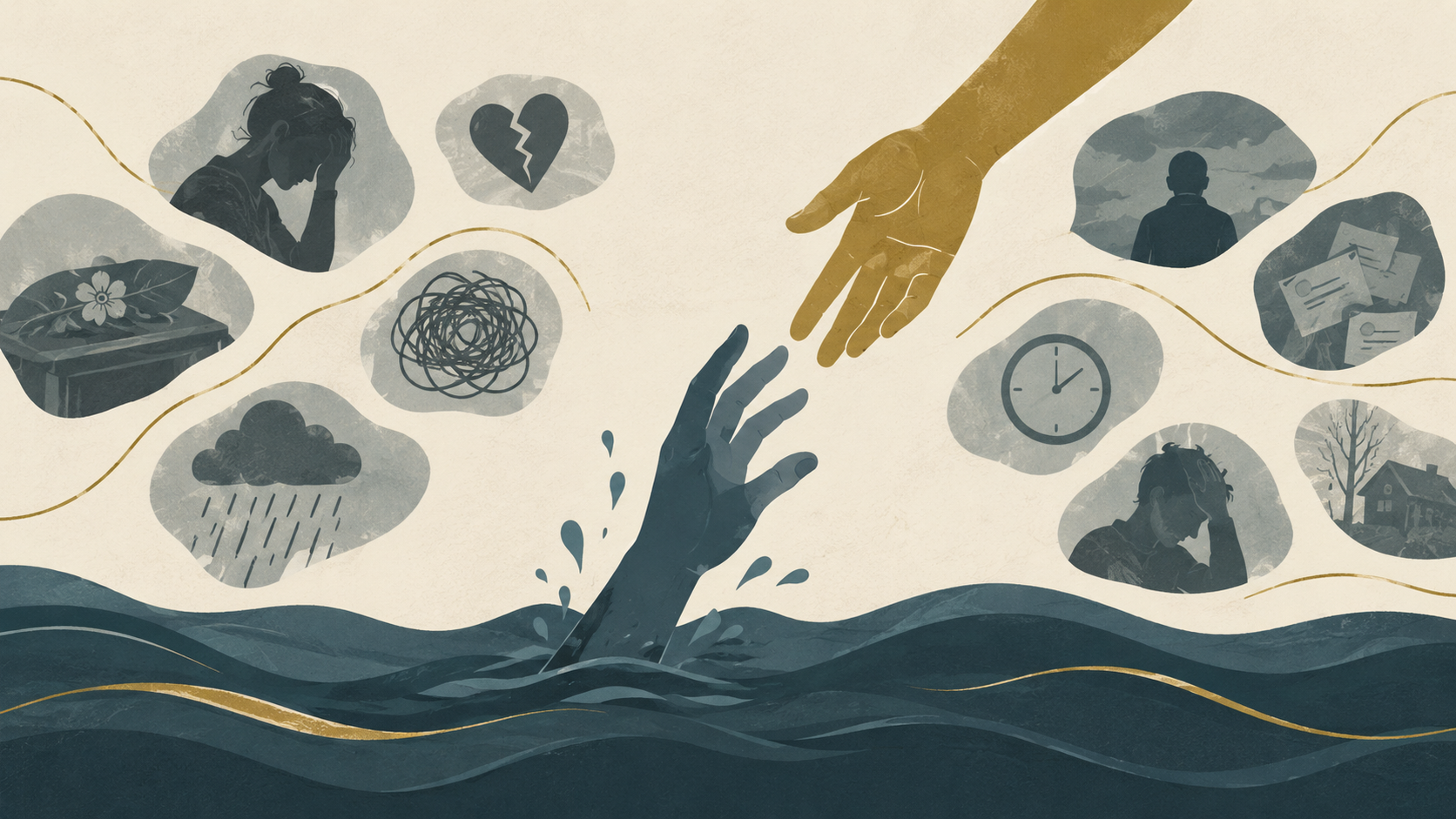
At Gap Relief, we understand trauma as an experience—or accumulation of experiences—that overwhelms our system’s ability to cope, respond, or heal, leaving a lasting impact on our heart, soul, mind, and body.
Some experiences that can result in traumatic impact are easier to recognize: accidents, abuse, violence, serious illness, physical injury, or other threats to our safety and well-being. But trauma can also emerge from less visible experiences, such as grief, loss, relationship difficulties, chronic stress, neglect, or prolonged periods of feeling unsafe, overwhelmed, or alone.
Our nervous system is designed to respond when we experience pain, danger, or overwhelming stress. When an experience is more than our system can fully process, we may have difficulty returning to a sense of safety and regulation. In some ways, our system can become stuck in the impact of what happened.
This may show up as:
Replaying thoughts or experiences over and over
Experiencing intrusive thoughts or memories
Feeling more vigilant or easily startled
Having difficulty settling or relaxing
Feeling disconnected from ourselves or others
Responding in relationships in ways that don't feel like us
Experiencing changes in sleep, mood, behavior, or our sense of safety
The good news is that these responses make sense. And there is hope.
Trauma responses are not signs that something is wrong with us. They can be understandable responses to experiences that overwhelmed our system.
Healing does not mean erasing what happened. It means helping our whole system find greater capacity for safety, connection, regulation, and life in the present.
At Gap Relief, we are grateful to walk alongside people experiencing the impact of trauma. There is hope for healing, and you do not have to walk that journey alone.
What Is Trauma Counseling?
Is there a difference between trauma-informed counseling, trauma counseling, and general mental health counseling?
In short, yes.
Trauma-informed and trauma-focused counseling are intentionally designed to understand and address the ways trauma can affect our heart, soul, mind, and body. A trauma-informed therapist understands that healing involves more than simply talking about what happened—they pay attention to your nervous system, its needs, and its pace.
While general mental health counseling may address trauma and its effects, trauma counseling goes deeper into the ways traumatic experiences can impact our nervous system, body, emotions, relationships, and sense of safety.
Symptom reduction is an important part of healing, but trauma therapy looks beyond managing symptoms alone. It provides a safe, supportive space to gently work through the patterns and activation that can remain after difficult or overwhelming experiences.
Evidence-based approaches such as Somatic Experiencing, EMDR, Brainspotting, and IFS (Internal Family Systems) can support this kind of healing.
Trauma therapy also respects the pace of your nervous system—not pushing too quickly, but creating enough safety and support for your system to process what it has been carrying.
Trauma counseling gives your whole system the space and support it needs to heal.
The word trauma can sound intimidating, but seeking support doesn't mean something is wrong with you. Many of us carry the effects of difficult experiences, and with the right support, there can be tremendous opportunity for healing, growth, connection, and hope.
Who Can Benefit?
Many people can benefit from trauma-specific or trauma-informed counseling. This may be especially helpful for those who know they have experienced trauma, regularly encounter high-stress or traumatic environments through their work or personal lives, or feel stuck despite trying other forms of therapy.
You may benefit from trauma-informed counseling if you find yourself:
Thinking frequently about difficult or past experiences
Avoiding people, places, activities, or relationships you once enjoyed
Having emotional or physical reactions that feel bigger or different than you expect
Feeling stuck in patterns you understand intellectually but have difficulty changing
Experiencing anxiety, depression, rumination, sleep difficulties, or other physical symptoms
Struggling with relationships, connection, or a sense of safety
You don't have to have experienced one clearly identifiable “traumatic event” to benefit from trauma-informed care.
Many different life experiences can affect the nervous system, and trauma-informed therapy considers how those experiences may continue to shape the way we think, feel, relate, and respond.
The trauma-informed approaches our team is trained in can also be helpful for concerns such as anxiety, depression, stuck thought patterns, sleep difficulties, somatic symptoms, and relational challenges.
Ultimately, trauma-informed counseling is about meeting you where you are and creating a safe, supportive space to understand what your system has been carrying—and begin moving toward greater regulation, connection, and healing.
Gap Relief’s Approach to Trauma
At Gap Relief, we’ve taken great care to build a team equipped to meet you wherever you are on your healing journey. All of our counseling providers have completed specific trauma-informed training, and many have advanced training and extensive experience in multiple evidence-based trauma therapy approaches.
We believe your healing journey is uniquely yours. Our goal is to hear your story, understand your needs, and work with you to create a plan that fits you—not a one-size-fits-all approach.
We also believe that true healing can involve the heart, soul, mind, and body. That’s why Gap Relief offers more than counseling. Our team includes trauma-informed practitioners who provide services such as neurofeedback, somatic coaching, self-awareness coaching, and kinetic experiences. These services can be used individually or thoughtfully combined to create a more holistic approach to care—giving you and your nervous system the support, tools, and space needed for healing.
We believe there is hope and healing for every story, and we’re here to help you find your way toward both.
Find the Right Fit for you
Want to learn more about our trauma therapy providers? Visit our team page to get to know each of our therapists and learn more about their experience and approach.
We’d love the opportunity to get to know you, hear what you’re looking for, and help you find the therapist who feels like the right fit for your needs.
Ready to take the next step? Click here to schedule an appointment with one of our trauma-informed providers.